Polymorphism 多态 of a class in Python
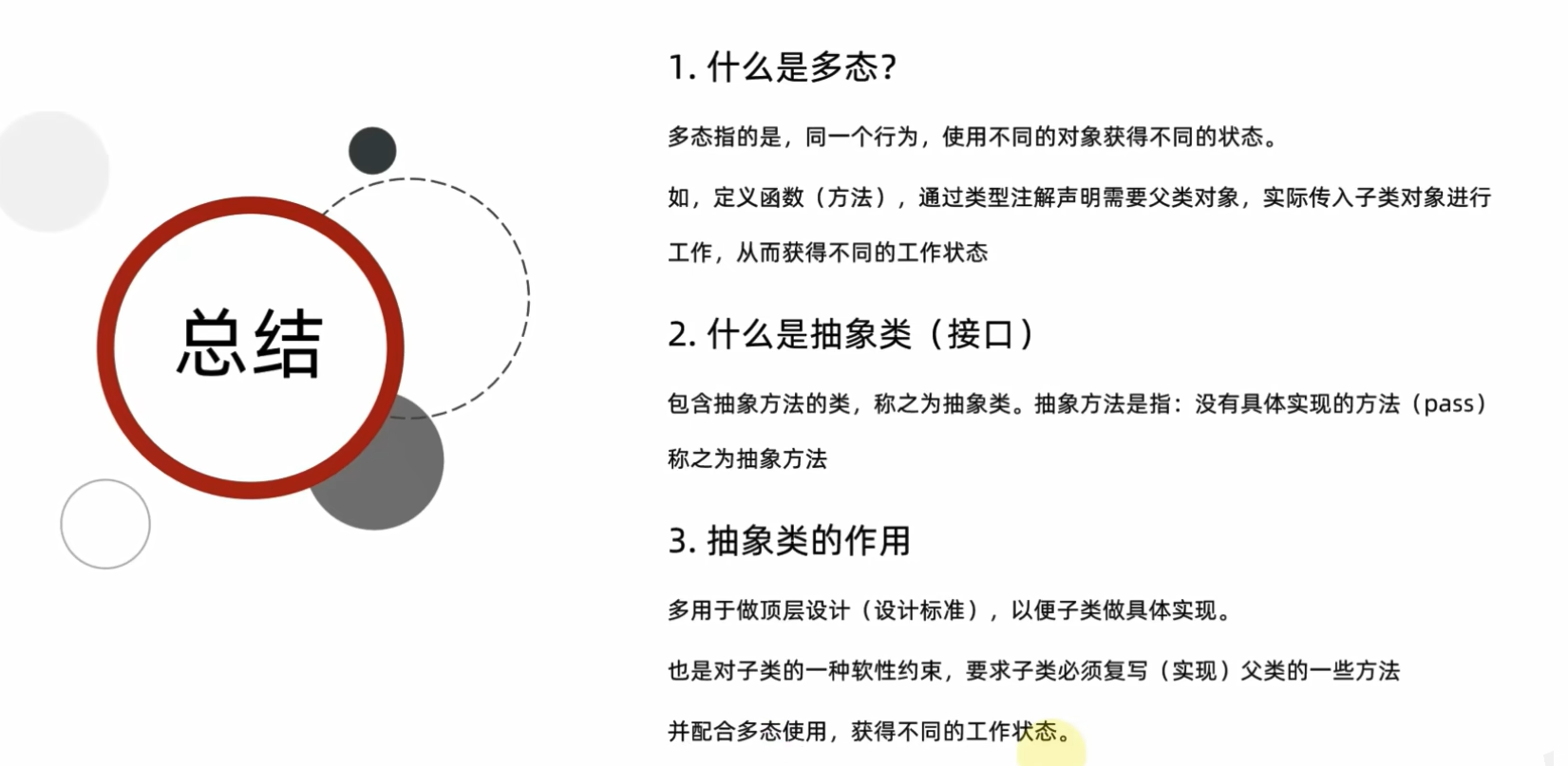
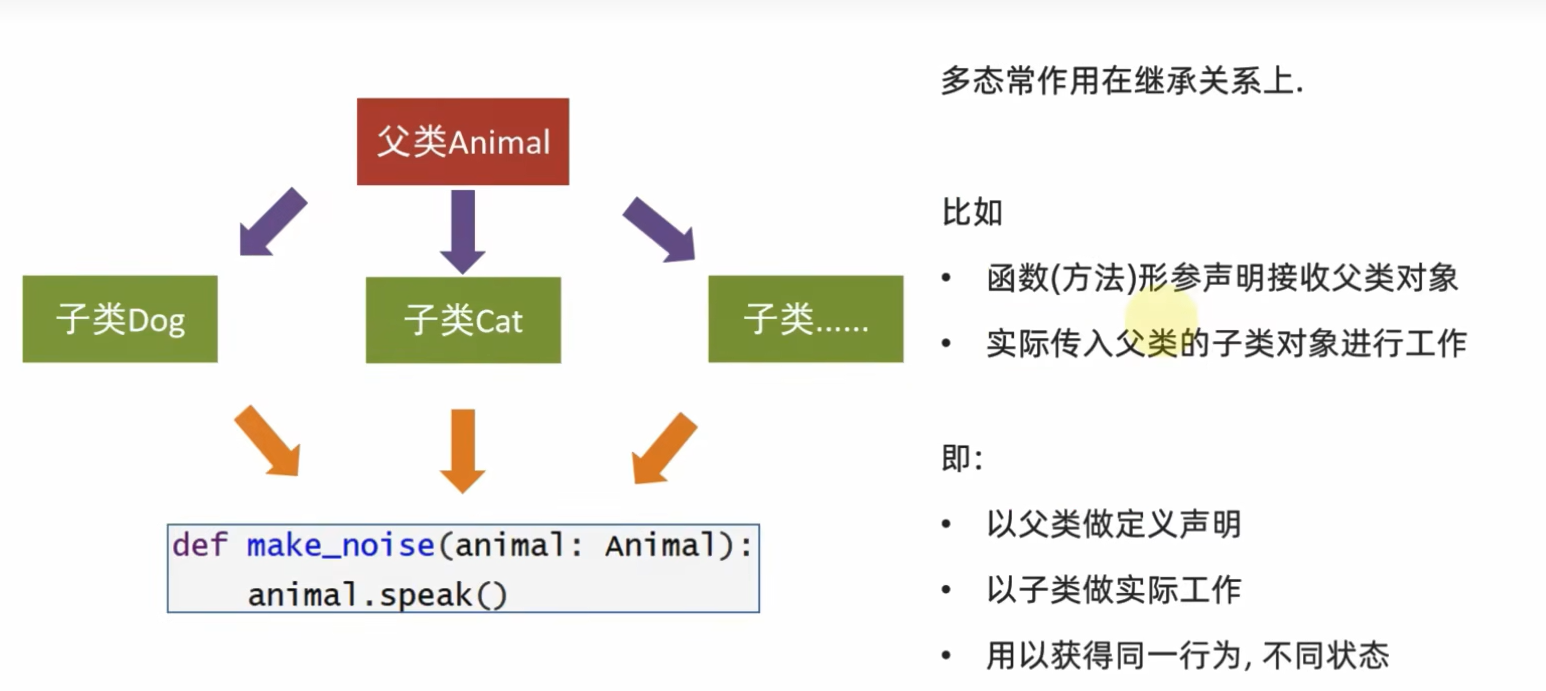
Polymorphism means multiple state. It means that a same action that is done but different object will get different state / results.
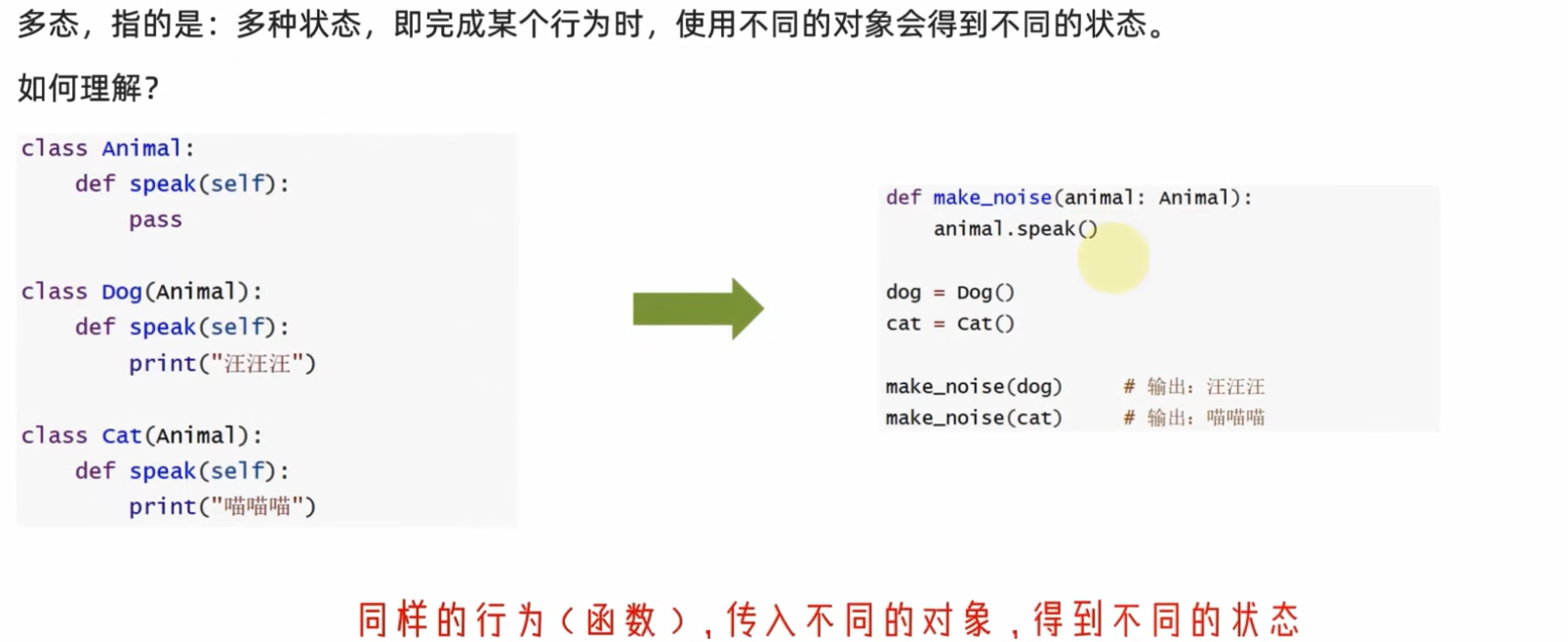
- Animal (Dog / Cat) -> Speak -> Sound ("Bark" / "Meow")
- Class: Object -> Behaviour -> Results
Example
polymorphism-class.py
py
# Class
# Parent class
class Animal:

    def speak(self):
        pass

# Children class
class Dog(Animal):

    def speak(self):
        print("Bark !")

class Cat(Animal):

    def speak(self):
        print("Meow !")

class UnkownAnimals(Animal):

    def speak(self):
        print("...")

# Object
dog = Dog()
cat = Cat()
new_species = UnkownAnimals()

# Action
def speaking(animal: Animal):
    animal.speak()

# Results
speaking(dog)
speaking(cat)
speaking(new_species)
Output:
Bark !
Meow !
...
Abstract Class
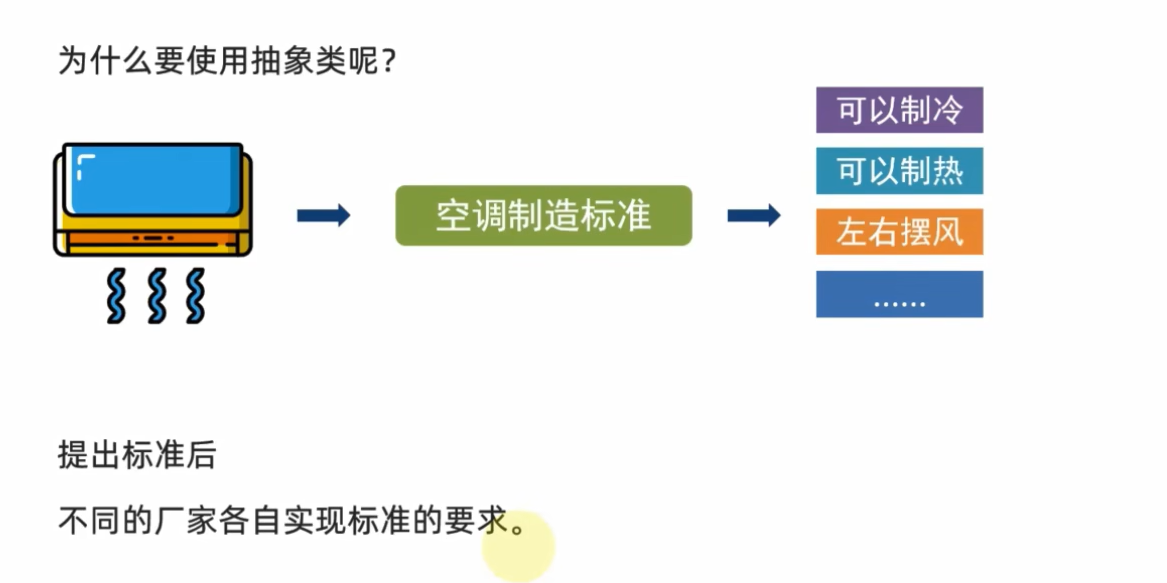
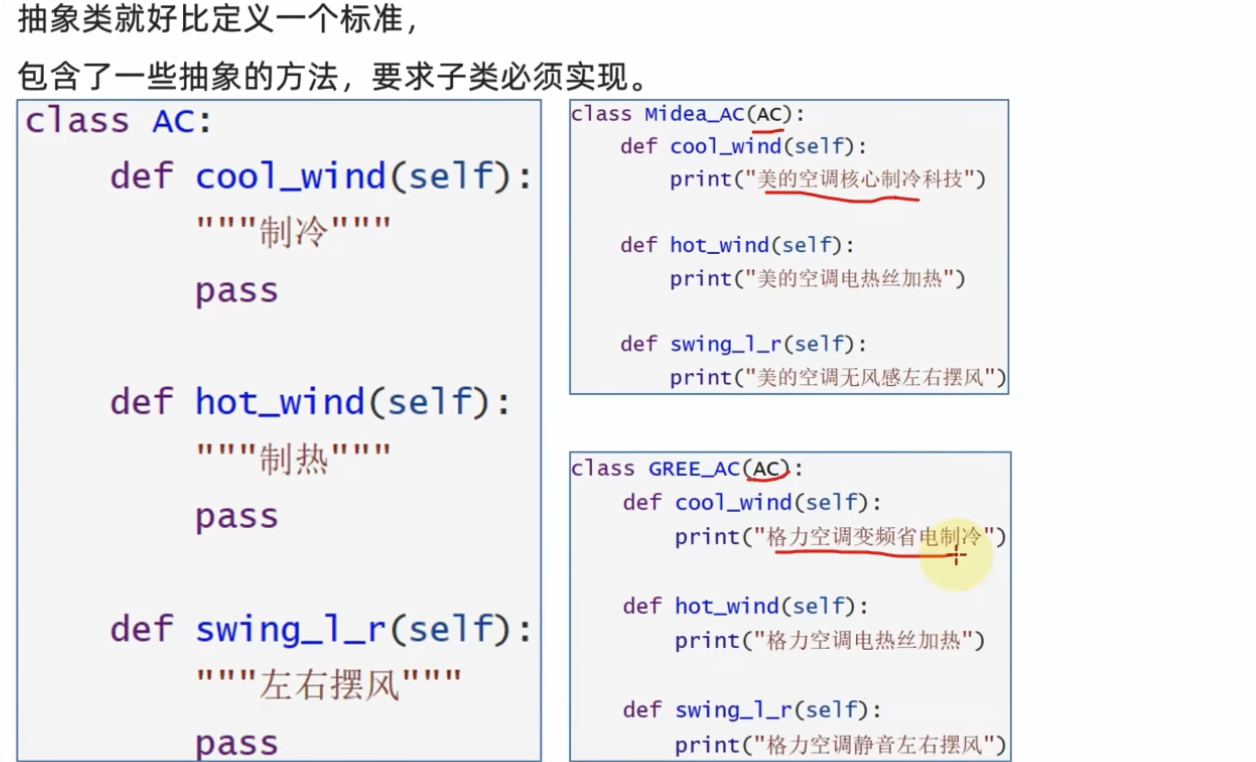
Defines the "what" (a blueprint or contract) but doesn't provide the full implementation. 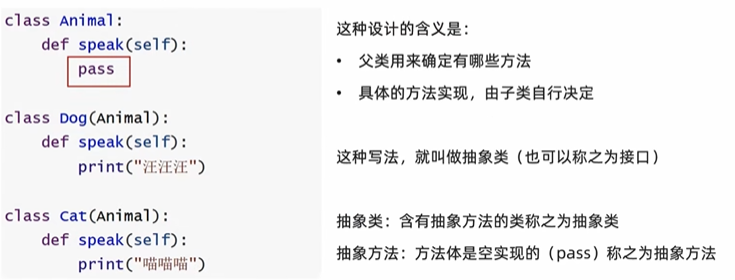
- Example
py
def speak(self):
pass- With the keyword
passmean we define a behaviour butdoesn't provide the full implementation. But the behaviour will be implement on a Children class.
Why we using abstract class
Example
abstract-class.py
py
class PaymentMethod:

    def pay(self):
        pass

class CardPay(PaymentMethod):

    def pay(self):
        print("Using card to pay")

class AppPay(PaymentMethod):

    def pay(self):
        print("Using Money APP to pay")

class CashPay(PaymentMethod):

    def pay(self):
        print("Using cash to pay")

card = CardPay()
cash = CashPay()
app = AppPay()

def PayBill(payment_method: PaymentMethod):
    payment_method.pay()

PayBill(cash)
PayBill(card)
PayBill(app)
Output:
Using cash to pay
Using card to pay
Using Money APP to pay
Conclusion